Azelaic acid is generally considered a well-tolerated ingredient for acne and pigmentation, but it isn’t completely irritation-free. Understanding the possible downsides can help you introduce it without unnecessarily upsetting your skin.
1. It can cause irritation
The most common downside is temporary burning, stinging, itching, dryness or redness, particularly when you first start using it. The NHS notes that these effects are usually mild.
If your skin becomes persistently uncomfortable, reduce how often you apply it rather than pushing through significant irritation.
2. Results aren’t immediate
Azelaic acid isn’t an overnight solution. Acne treatments can take several weeks to a few months to produce noticeable improvement, so consistency is important.
3. More isn’t necessarily better
Using several strong actives at once can increase irritation. The American Academy of Dermatology recommends giving acne treatments time to work rather than continually adding new products.
4. It may not solve every type of breakout
Azelaic acid can help acne, but acne-like bumps can sometimes actually be folliculitis, rosacea or perioral dermatitis, which require different approaches.
Is Anua 10% Azelaic Acid worth trying?
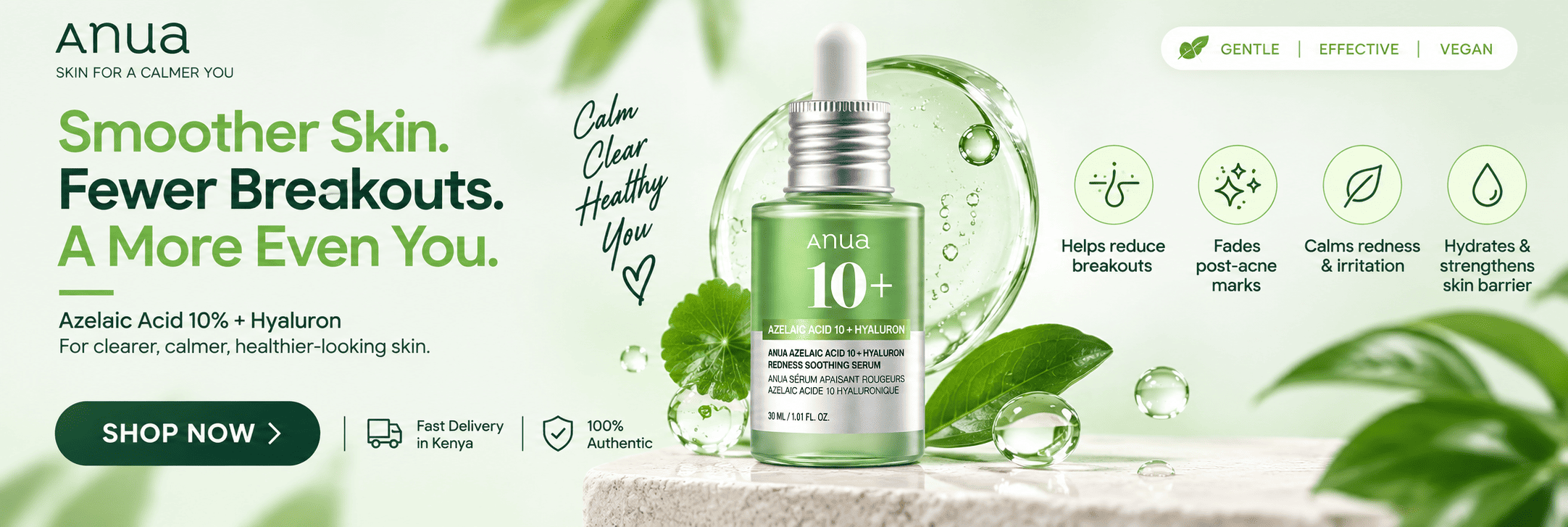
If you’re looking for a gentler azelaic-acid option, Anua Azelaic Acid 10% + Hyaluron Redness Soothing Serum is available at StyleUp Beauty & Skincare. It’s a sensible product to consider if your concerns include breakouts, redness and post-acne marks.
Start gradually, moisturise, and don’t overload your routine with other irritating actives.
Good skincare isn’t about using the strongest routine—it’s about finding a routine your skin can tolerate consistently.